Back to the Seventies: A Walking Tour Through Old Kampung Air, Kota Kinabalu
Duration: 2. Hours
Starting Point: Jalan Laiman-diki (Diki Road)
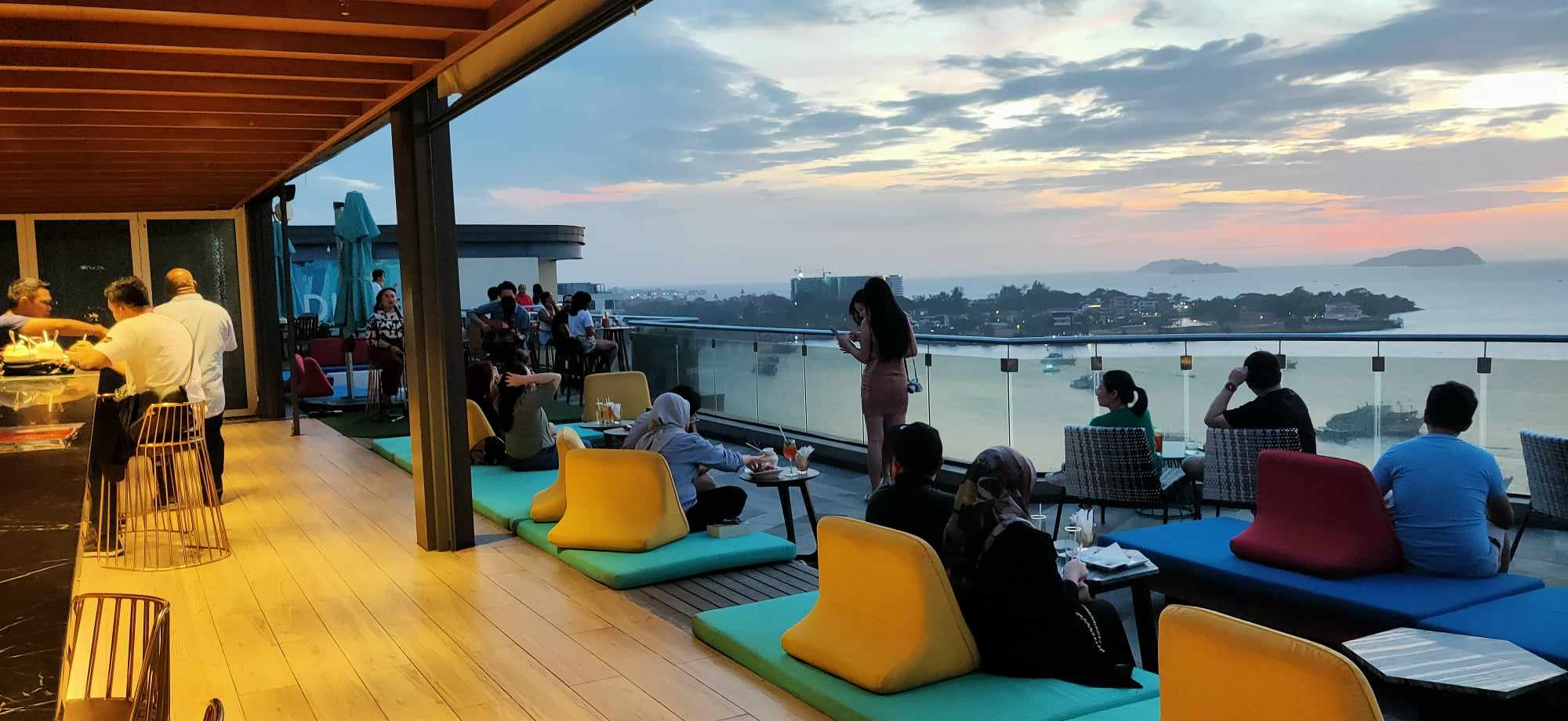
Ending Point: Rooftop Bar, Sheraton Kota Kinabalu Hotel
For Photographer and travelers seeking a different side of Kota Kinabalu, beyond waterfront sunsets and shopping malls, Old Kampung Air offers a fascinating glimpse into the city’s forgotten soul and Photography enthusiast.
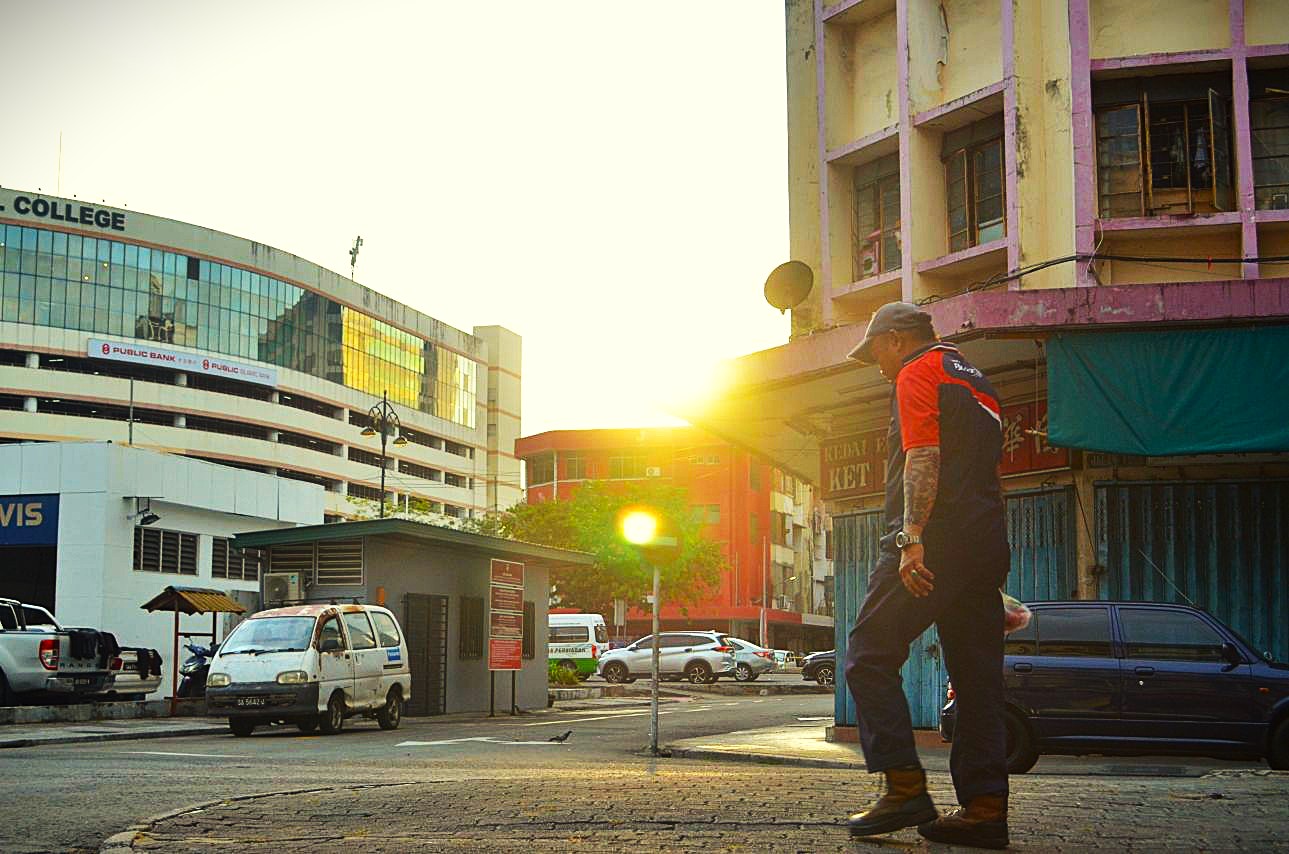
Developed largely during the late 1960s and 1970s, this neighbourhood remains one of the last areas where visitors can experience the atmosphere of old Kota Kinabalu. The streets are lined with broad-fronted concrete shophouses, weathered signboards, family-run businesses, hidden alleys, and a unique urban character that many Sabahans affectionately remember from childhood. 1950s-1960s: The area was an active traditional water village built on stilts over the sea.
Influenced by post-war Hong Kong commercial architecture yet distinctly Sabahan in taste, Kampung Air is a challenge for street photographers. Every corner reveals a story: old dying craftsmen still plying their trades, faded façades layered with decades of history, colourful murals, and evolving tenants communities that continue to thrive amid rapid urban change.
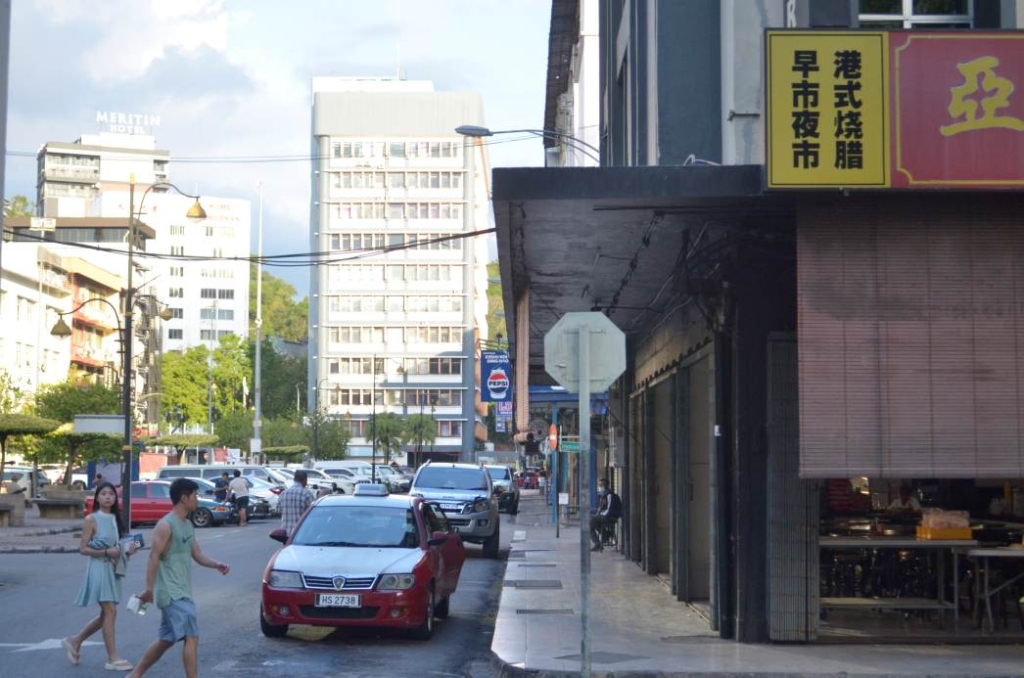
Perpaduan Road.
Stop 1: Jalan Laiman Diki Road – Breakfast in Old Kota Kinabalu
The street remains one of the city’s most beloved breakfast destinations and offers an excellent introduction to old Kota Kinabalu. Unlike the narrow shophouses found in many Southeast Asian cities, many buildings here feature wider frontages, reflecting the commercial architecture that emerged during Sabah’s post-independence growth period.
One of the local favourites is King Mee Coffee Shop, famous for its Chicken Feet Noodles. The dish has achieved near-legendary status among locals, often selling out before 9:00 a.m. every day. Arrive early to secure a bowl and enjoy the morning atmosphere as residents gather over coffee, newspapers, and conversations that move effortlessly between Malay, Cantonese, Hakka, Kadazan, and English.
For photographers, the morning light creates beautiful contrasts across the old concrete façades, vintage signboards, and bustling coffee shop scenes. Infront the main round-about where the old Capital Cinema now converted to a Dance Club “999”. The shape of the old cinema and frontage still exist cover by a new facelift glass design.
As the road turn to right meet Tugu road where the old Male Barber shop “ Kedai Gunting Lelaki kg. Air” and goldsmith shop remain the last standing oldies.
Stop 2: Jalan Kampung Air 1 & 2 – The Living Heritage District
A short walk leads into Jalan Kampung Air 1 and Jalan Kampung Air 2, historically among the city’s busiest commercial streets.
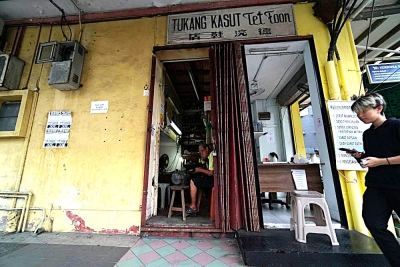
Tet Foon Kg Air Shoe repair
One of the area’s most treasured businesses is Tet Foon Shoe Repair Shop, operating continuously since 1966. The small workshop feels untouched by time. Worn leather shoes, polishing equipment, and decades-old tools fill the modest space, preserving a craft increasingly rare in modern cities.
Nearby, visitors may notice another uniquely Kota Kinabalu feature. Many small offices occupying these aging shop lots continue to provide secretarial and administrative services, helping residents and businesses prepare government paperwork, business registrations, licences, and official submissions. Long before digital services became common, these offices served as an important bridge between the public and government agencies.
Across from the area lies the famous Night Market district. While the market itself comes alive after sunset, the surrounding streets remain active throughout the day. 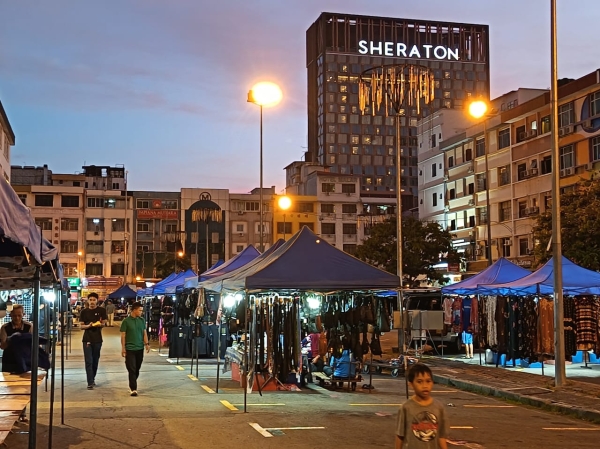
Nearby, visitors can stop at one of Kampung Air’s long-standing Indian coffee shops, renowned for freshly baked curry bread and traditional Indian tea. The aroma alone is enough to transport visitors back several decades.
Small family-run hotels still operate throughout the district, many from buildings that have changed little since the 1970s.
Stop 3: Lorong Perpaduan – Hidden Urban Textures
Turn into Lorong Perpaduan and leave the main road behind.
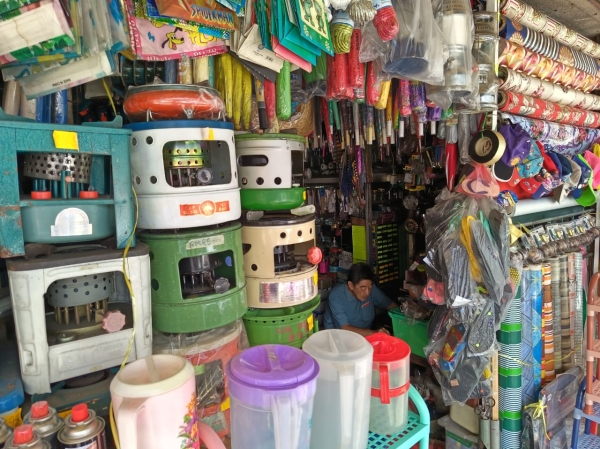
King Mi Shop
This quiet alley offers some of the best opportunities for street photography. Layers of peeling paint, old service entrances, vintage advertisements, rusting shutters, and unexpected details create a visual archive of Kota Kinabalu’s urban history.Unlike carefully preserved heritage districts elsewhere, Kampung Air’s authenticity comes from its continued everyday use. The neighbourhood remains alive rather than curated.
Stop 4,5: Lorong Sentosa and Jalan Haji Yaacob – Memories of Old Kota Kinabalu
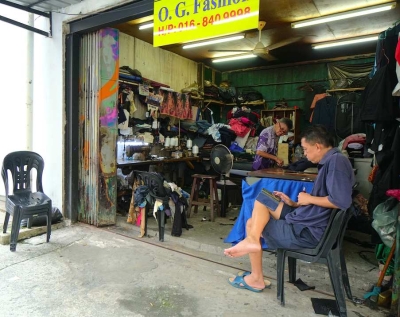
Continue towards Lorong Sentosa, where one of the district’s long-established “OG tailor” shops still serves loyal customers.
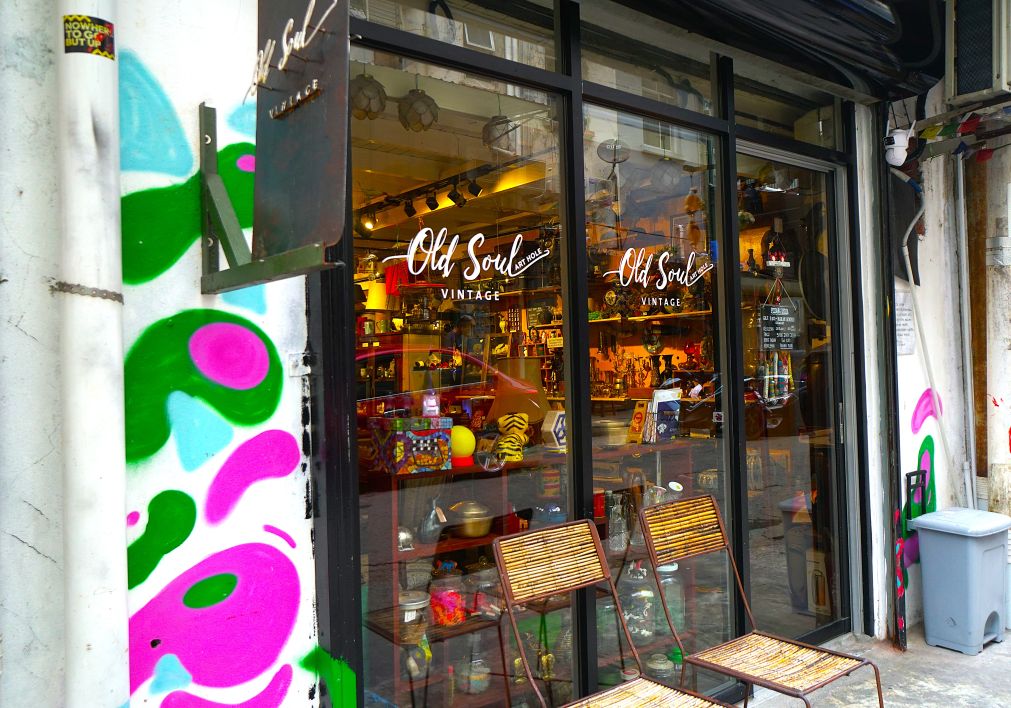
Nearby sits “Old Souls Antiques”, a favourite destination for collectors, photographers, and nostalgia seekers. Inside, visitors can discover vintage radios, enamel signs, film cameras, vinyl records, retro toys, and forgotten household items that tell the story of Sabah’s past.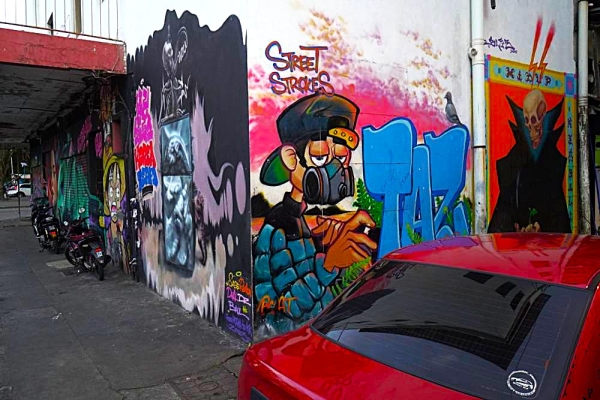
A short detour along Jalan Haji Yaacob road reveals another layer of Kampung Air’s history. Here stands one of the area’s traditional hardware stores alongside a remarkable architectural reminder of old Jesselton.
Visible from the street is a beautiful 1930s-era building originally constructed as a Seventh-day Adventist (SDA) Church. The structure later became a mosque in 1969 and remains one of the few surviving examples of early post-war architecture in the district. Its simple design reflects a period when Kota Kinabalu was still a small coastal town finding its identity. The main structure of the design of the old church was largely retained out of practicality and respect with minor addition like prayer hall and a dome integrated over time.
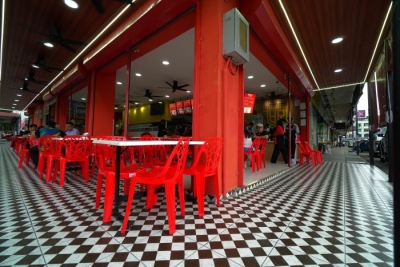
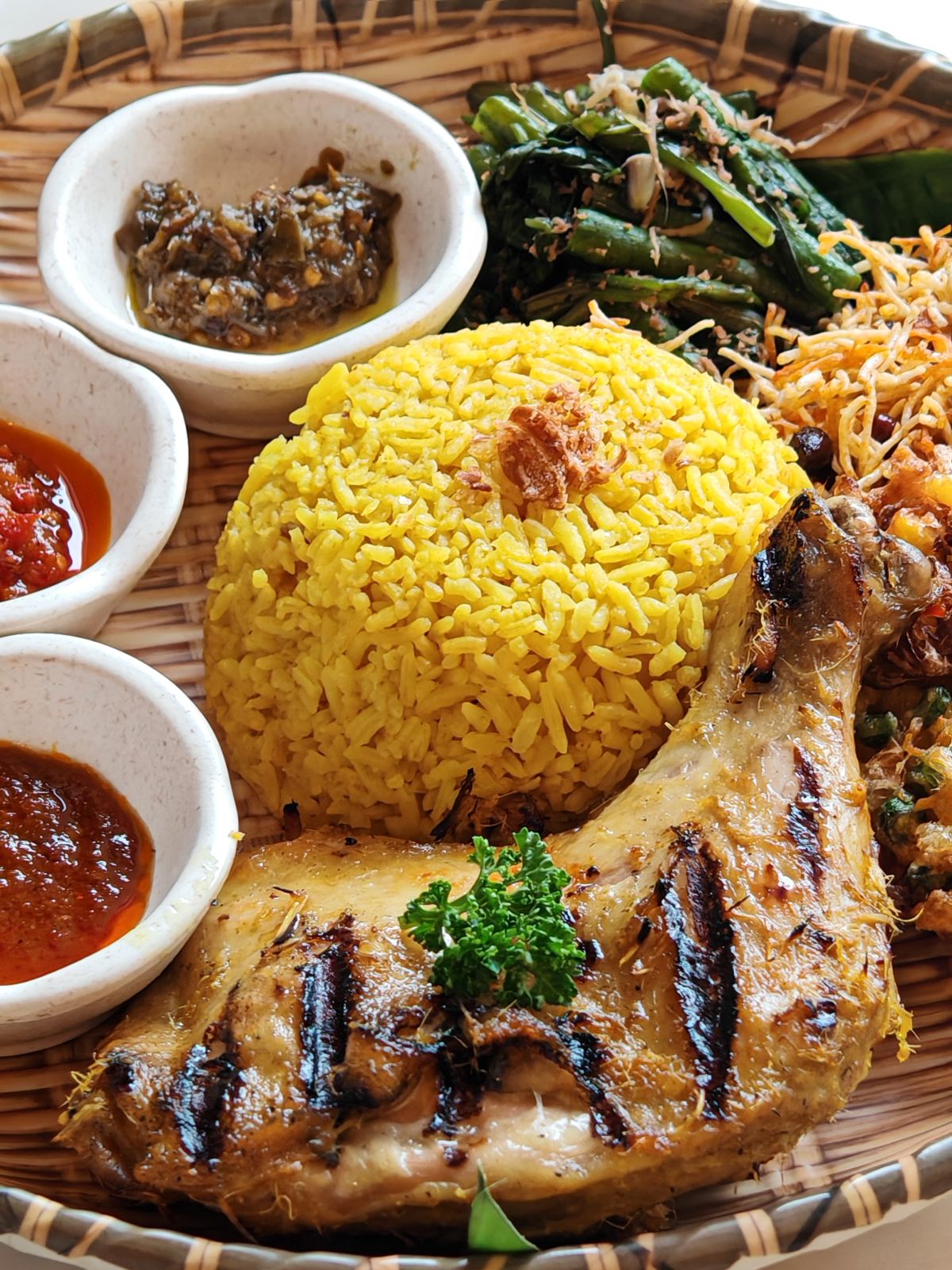
Kak wak coffee shop. Sentosa St, sumptous local Malay food
One of the neighbourhood’s most surprising attractions is its growing collection of street art. Artists from Sabah and across Asia have transformed selected walls into colourful public canvases. These murals provide a striking contrast against the aging architecture, creating a dialogue between old and new Kota Kinabalu.
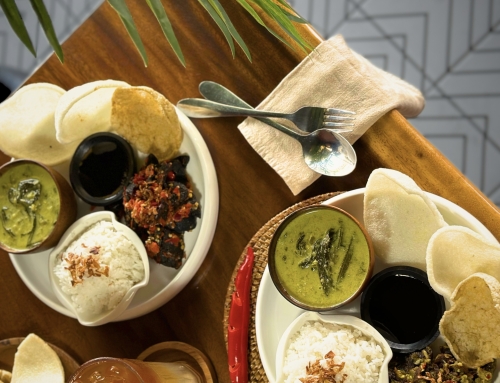
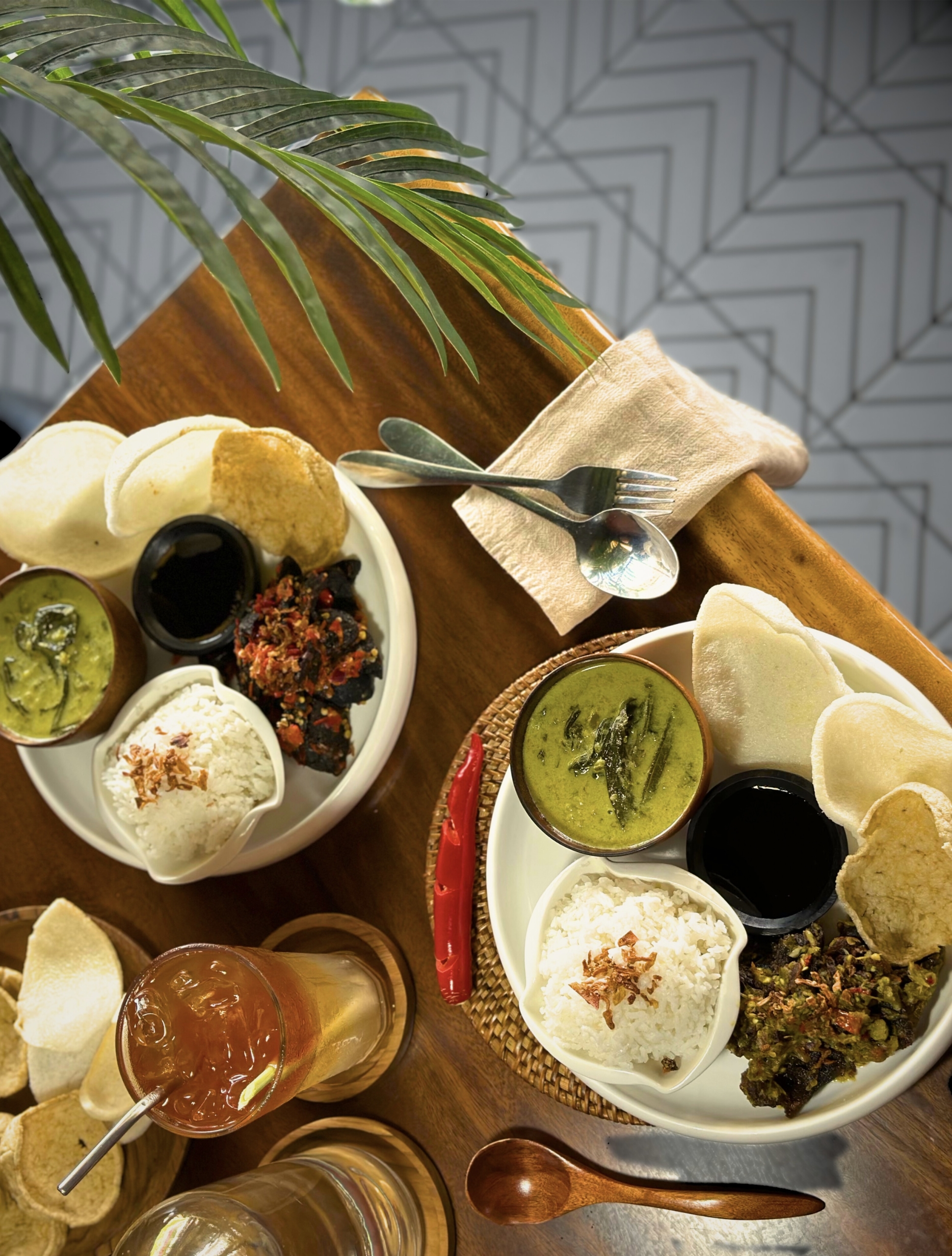
For photographers, the combination of retro buildings and contemporary artwork offers endless creative possibilities. Fan of Malay Chilie cuisine would love to try Kak Wak Self order shop.
Stop 6: City Park – A Quiet Pause
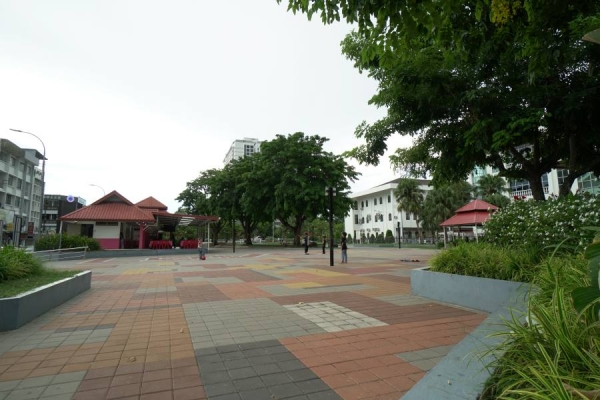 Moving northwest from the Night Market area, the city gradually opens into the greenery surrounding City Park.This peaceful space provides a welcome break from the dense commercial streets. Beneath mature trees, visitors can reflect on how dramatically Kota Kinabalu has transformed over the last five decades.Yet from here, the rooftops of Kampung Air still reveal the city’s older urban landscape.
Stop 7: Asia City and Star City Mall – Old Meets Not So New
The final stage of the walk brings visitors towards Asia City and Star City Mall, where old and new Kota Kinabalu intersect.
Before entering the mall, food lovers may wish to stop at Pete’s Corner Breakfast, a local favourite known for affordable Western-style breakfasts. Nearby, Papermint Vietnamese eatery offers experience amid the district’s older surroundings.
Fashion enthusiasts can browse Bundle Mania, one of the city’s larger second-hand clothing stores, occupying a significant space within the area. Walk towards Tunku Abdul Rahman Road where Hilton Hotel and Cititel Hotel Located.
Inside Star City Mall, visitors discover a surprising mix of businesses that continue to serve local communities.
Highlights include:
*Piring12, a vinyl record store loved by music collectors.
* Mobile phone repair shops catering to technicians and gadget enthusiasts.
* Traditional ethnic clothing stores showcasing Sabah’s cultural heritage.
* Hobbycom, a popular destination for toy and hobby collectors.
* Local kaya toast and coffee outlets Fook yen and a seafood restaurant catering tourist.
* Long-established money changers serving travellers and local residents.
The mall captures a side of Kota Kinabalu often overlooked by visitors, where everyday commerce continues alongside niche businesses and local traditions.
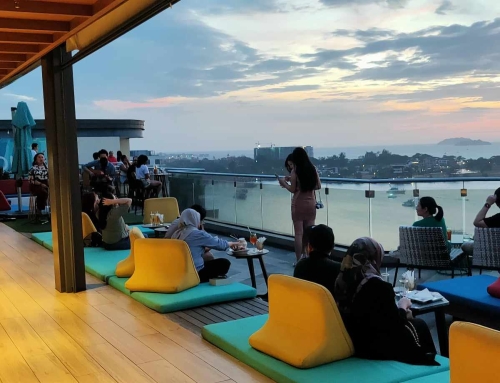
Final Stop: Rooftop Bar, Sheraton Kota Kinabalu. Across Jalan Albert Kwok stands the modern Sheraton Kota Kinabalu Hotel.Take the elevator to the rooftop bar and watch the city unfold below.
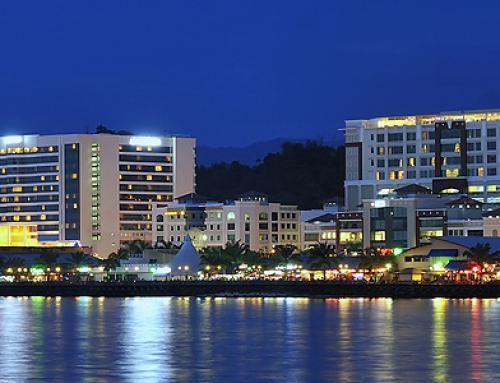
From this vantage point, the contrast becomes striking. On north east view where Centre Point Mall and the Waterfront appear. Beneath the modern skyline lies Kampung Air—a neighbourhood shaped by generations of traders, craftsmen, migrants, office workers, tailors, cobblers, coffee shop owners, and dreamers.
Its architecture may carry echoes of old Hong Kong commercial districts, but its character remains unmistakably Sabahan.As the evening light settles over the city, visitors often realise that Kampung Air’s greatest attraction is not a single landmark. It is the atmosphere itself—a living memory of a Kota Kinabalu that once moved at a slower pace, where community mattered, trades were passed from generation to generation, and every street corner held a story.
For photographers, history lovers, and curious travellers alike, Old Kampung Air remains one of the last places where the spirit of 1970s Kota Kinabalu can still be found.
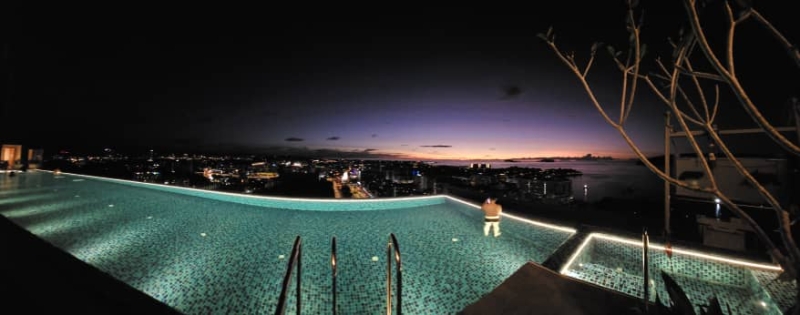
Sheraron Hotel 23 floor